For years, the "Streaming Wars" were fought with a single weapon: the blockbuster. Success was measured by how many new subscribers signed up for a specific hit series. But as we saw in Part 1’s overview of the 2026 landscape, the battlefield has shifted. The industry has reached a tipping point where growth has flattened, and the cost of winning a new customer has skyrocketed.
The challenge is no longer getting people to join. It is giving them a reason not to leave.
Today’s landscape is defined by Subscription Fatigue. In mature markets like Singapore and Malaysia, consumers are ruthlessly auditing their monthly bills. They are no longer loyal to a brand just because of its logo; they stay because a service fits seamlessly into their daily lives. In this environment, retention is the only sustainable business strategy.
And retention is, at its heart, a User Experience (UX) challenge.
From The Hook to The Relationship
Marketing gets a user through the door, but the interface determines how long they stay. In streaming, content may drive acquisition, but UX determines retention. A study from Forrester about User Testing platform shows that friction-heavy digital experiences erode engagement, loyalty, and long-term platform value. Modern streaming UX is not about making things look pretty. It is about reducing the mental effort in 3 ways:
- Subscription Transparency for Long-Term Retention
- Ad-Aware UX as a Fair Exchange
- Clear Labels as a Loyalty Tool
The winners in 2026 are not necessarily the ones with the deepest libraries. They are the ones that are the easiest to live with.
1. Subscription Transparency for Long-Term Retention
In an era of rising costs and subscription fatigue, users are becoming Value Detectives in recent consumer trend reports. This shift describes consumers who no longer accept value at face value, instead they conduct extensive-level research into pricing tiers and hidden trade-offs before committing.
When a platform lacks transparency at either the Entrance or the Exit, it creates a Trust Gap instantly:
A. The Entrance: Vague Value Ladders
A primary point of friction occurs when pricing tiers are intentionally vague. This is a transparency failure that forces users to leave the app to search for basic information.
- The Solution: Leading services use Clear Value Ladders to bridge this gap. By explicitly detailing features (e.g., 4K resolution, ad-frequency, or offline access) within the UI, platforms satisfy the Value Detectives and reduce the cognitive load required to make a purchase.
B. The Exit: The "Roach Motel" Effect
Hiding the exit door is a Dark Pattern known as the Roach Motel—easy to check in, but impossible to leave. This triggers Psychological Reactance, a defensive state that occurs when users feel their freedom of choice is being hijacked.
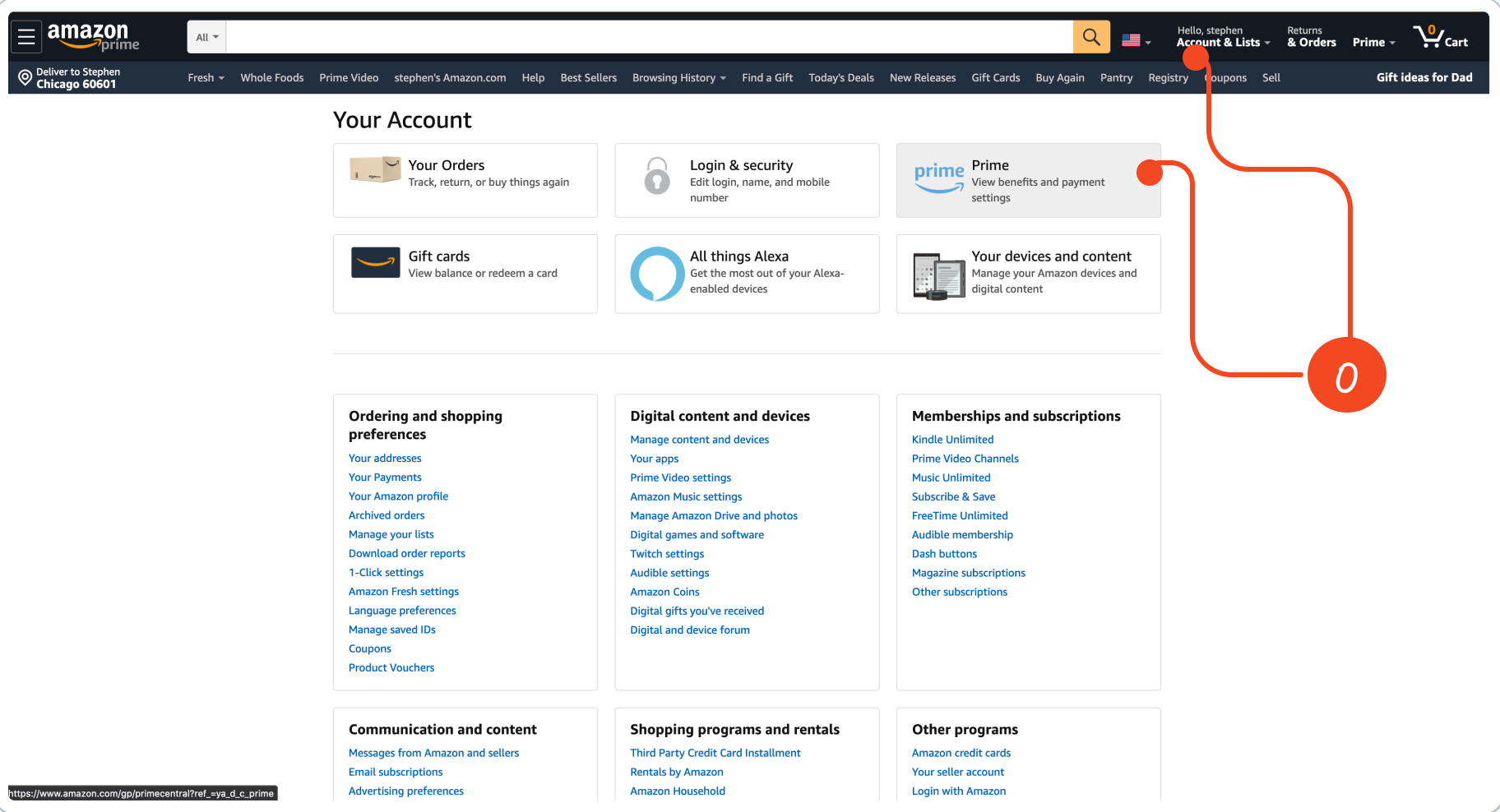
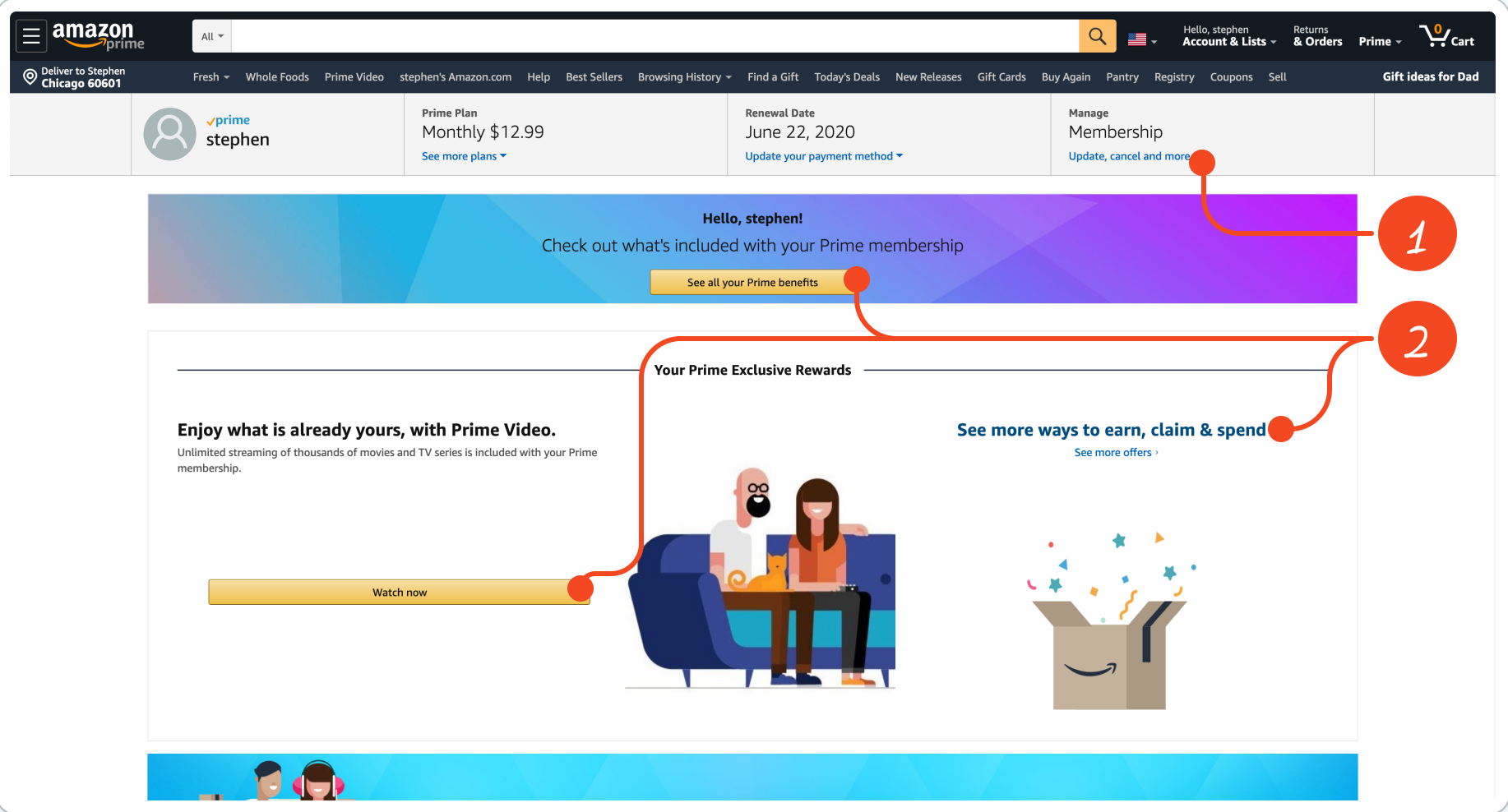
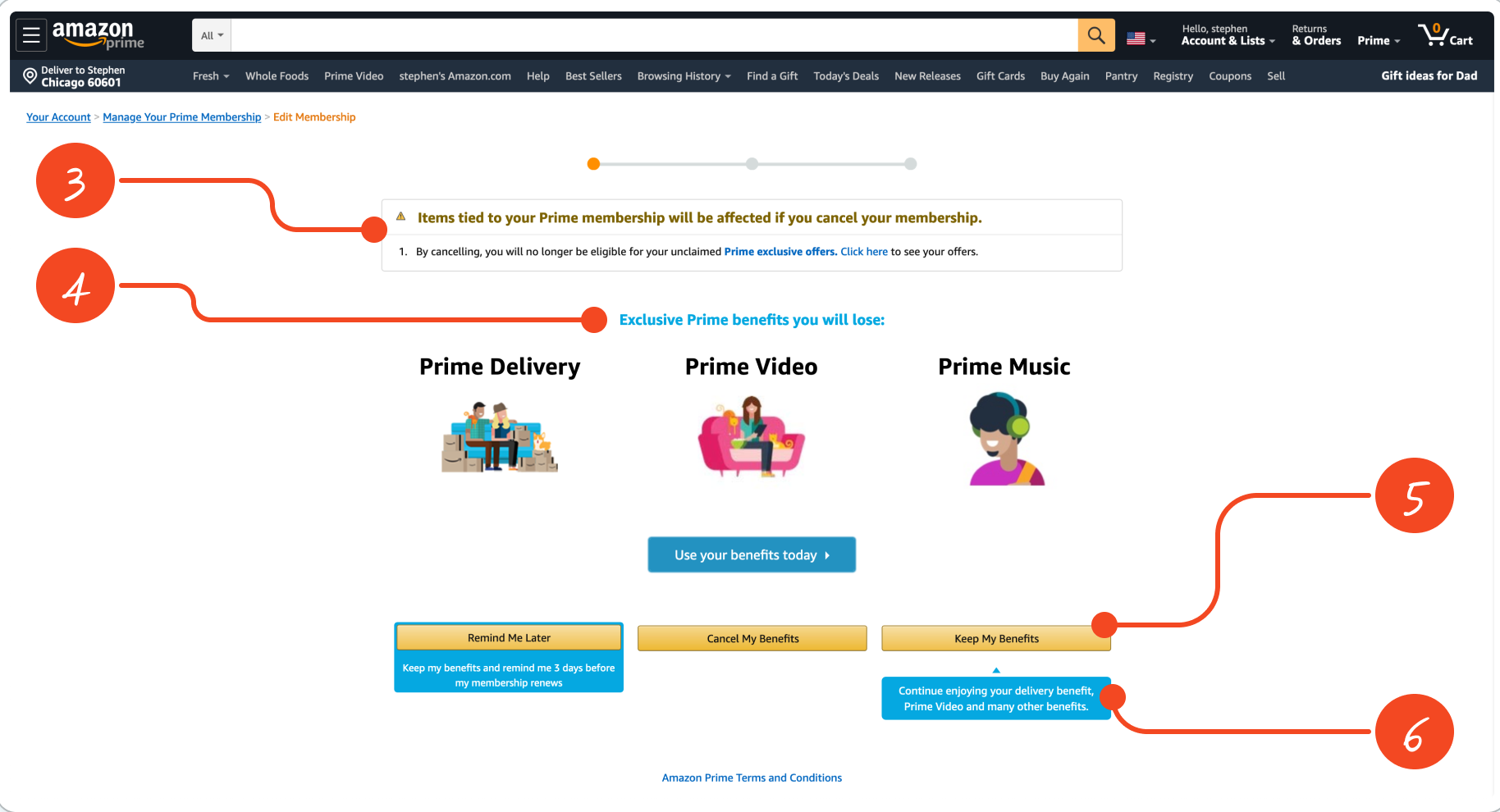
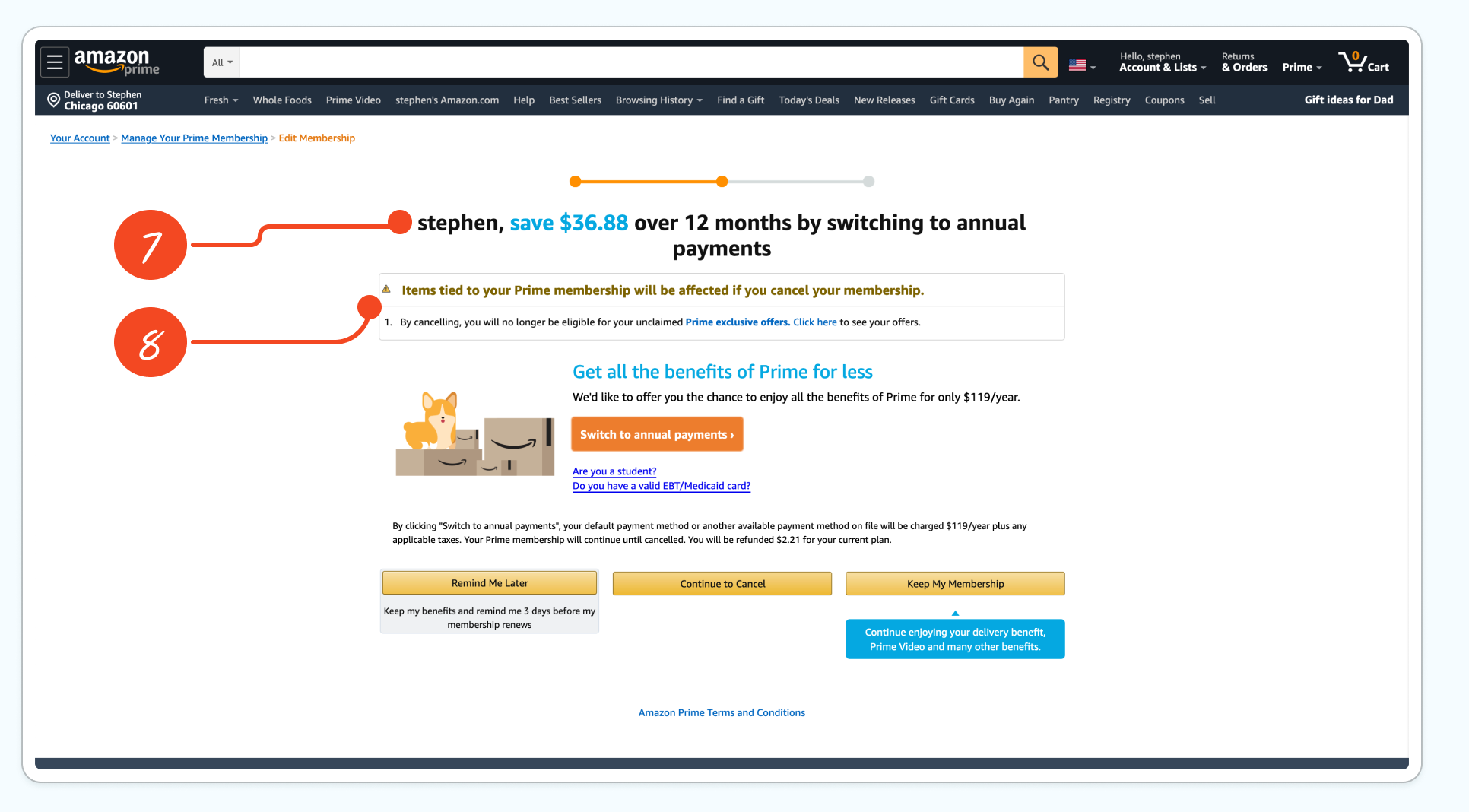
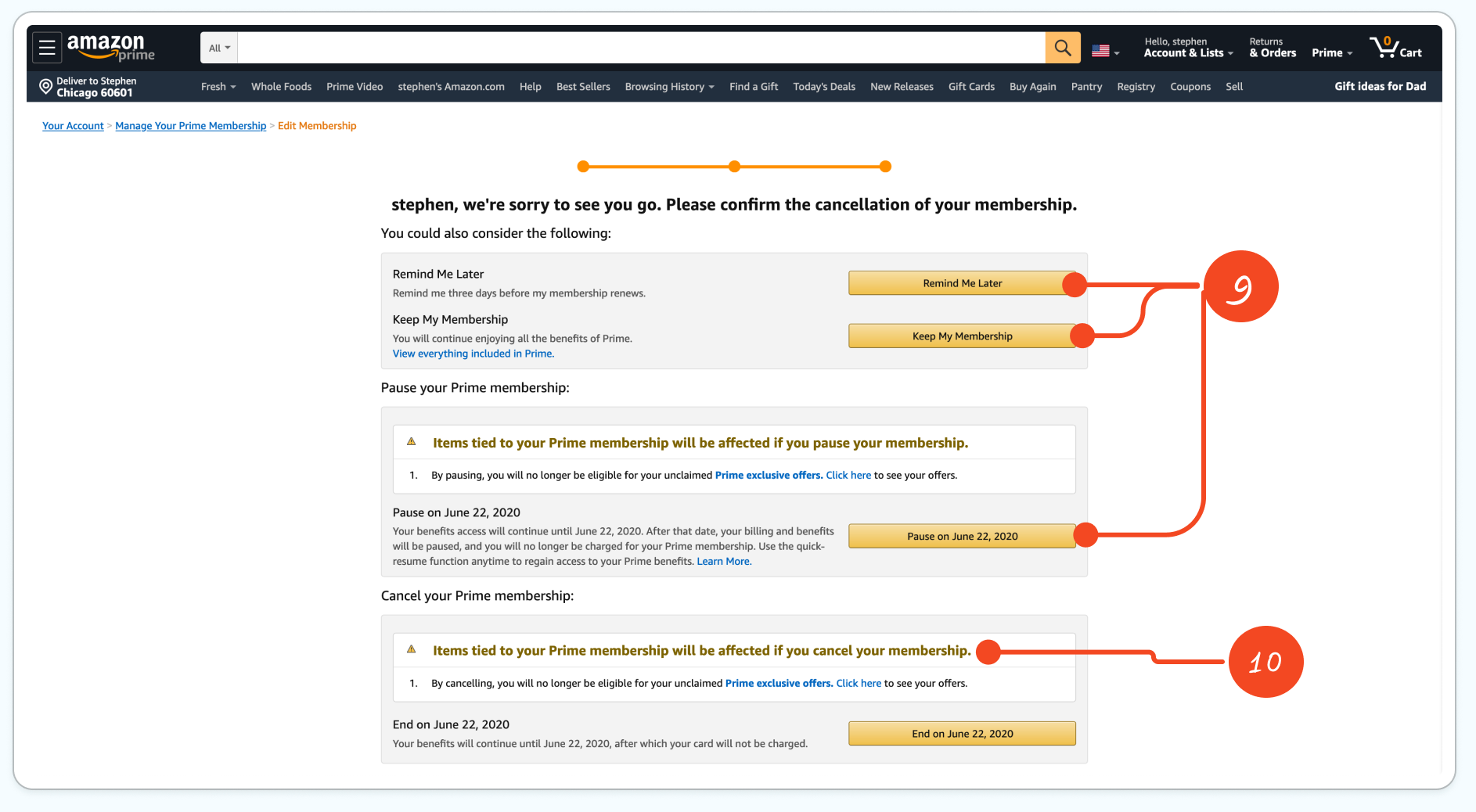
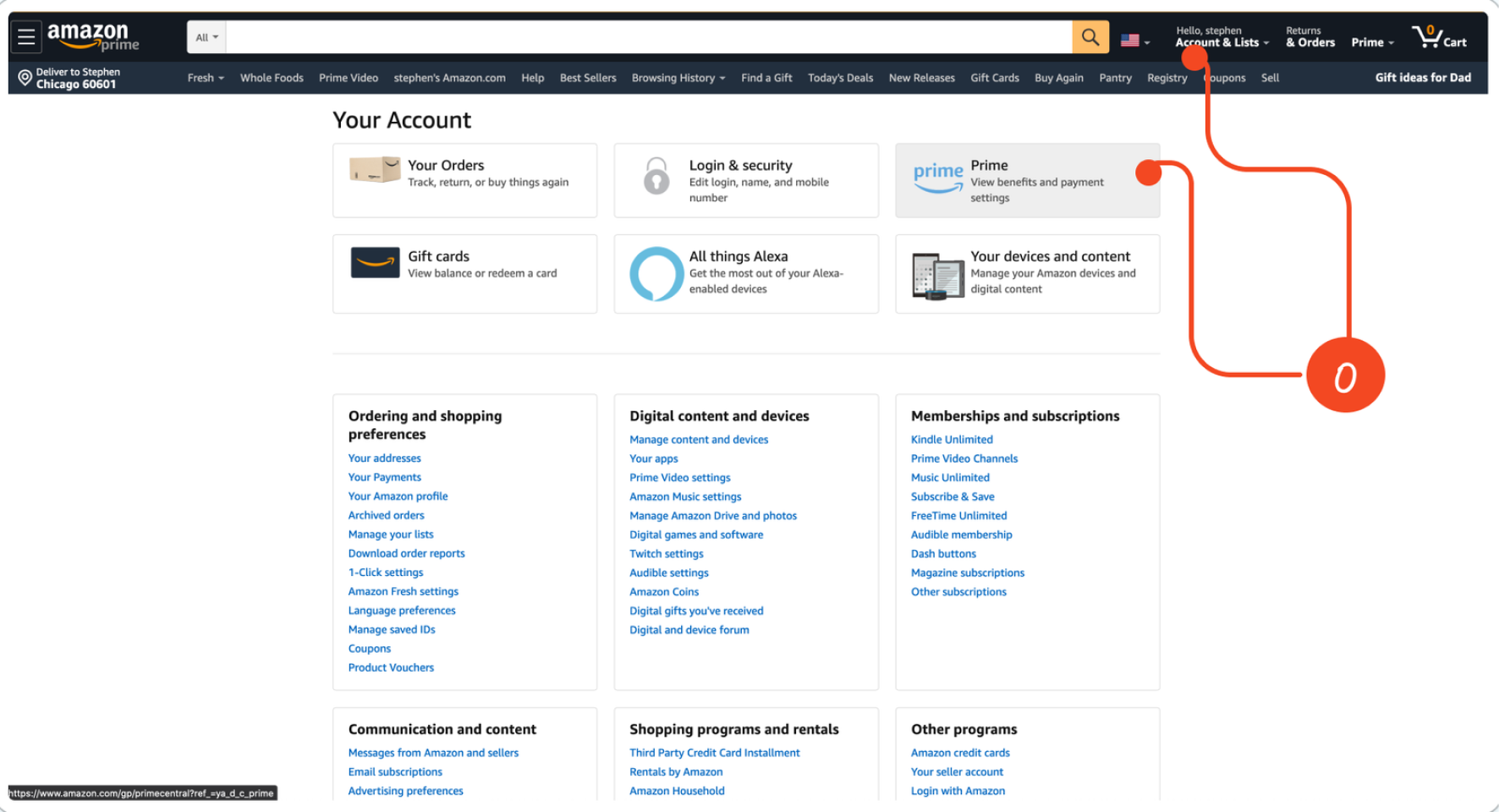
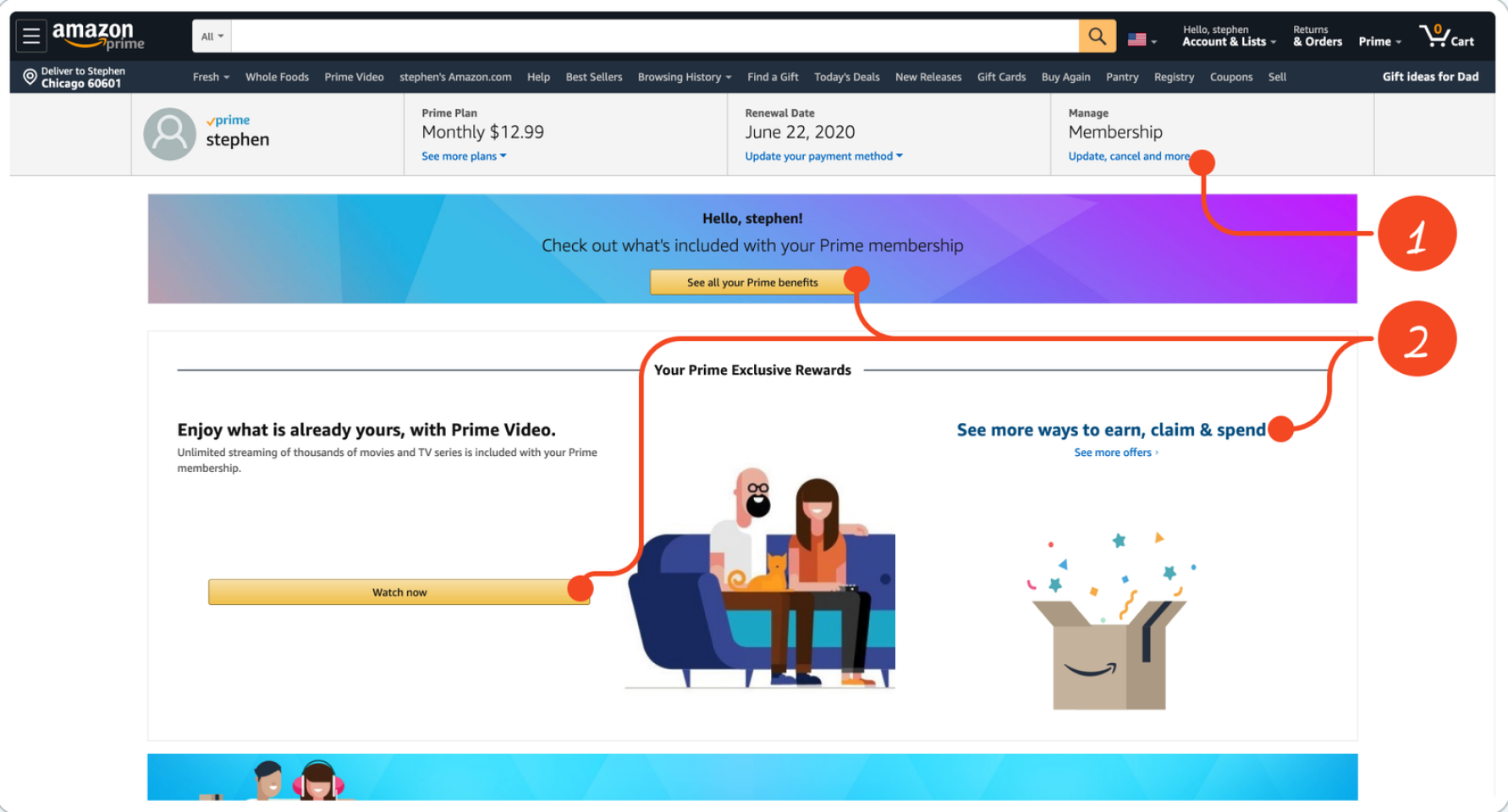
Amazon’s infamous Project Iliad, the cancellation flow designed for Amazon Prime and its integrated Prime Video streaming platform is the ultimate cautionary tale for streaming and subscription platforms. Named after the epic decade-long war, this multi-page cancellation gauntlet led to a historic $2.5 billion Federal Trade Commission (FTC) settlement in late 2025. The ruling was clear, platforms can no longer treat a simple exit like an ancient siege.
The story of this labyrinth, often dubbed the "Four-Page, Six-Click, Fifteen-Option" Iliad Flow, forces the user through a manipulative psychological maze designed to make them give up:
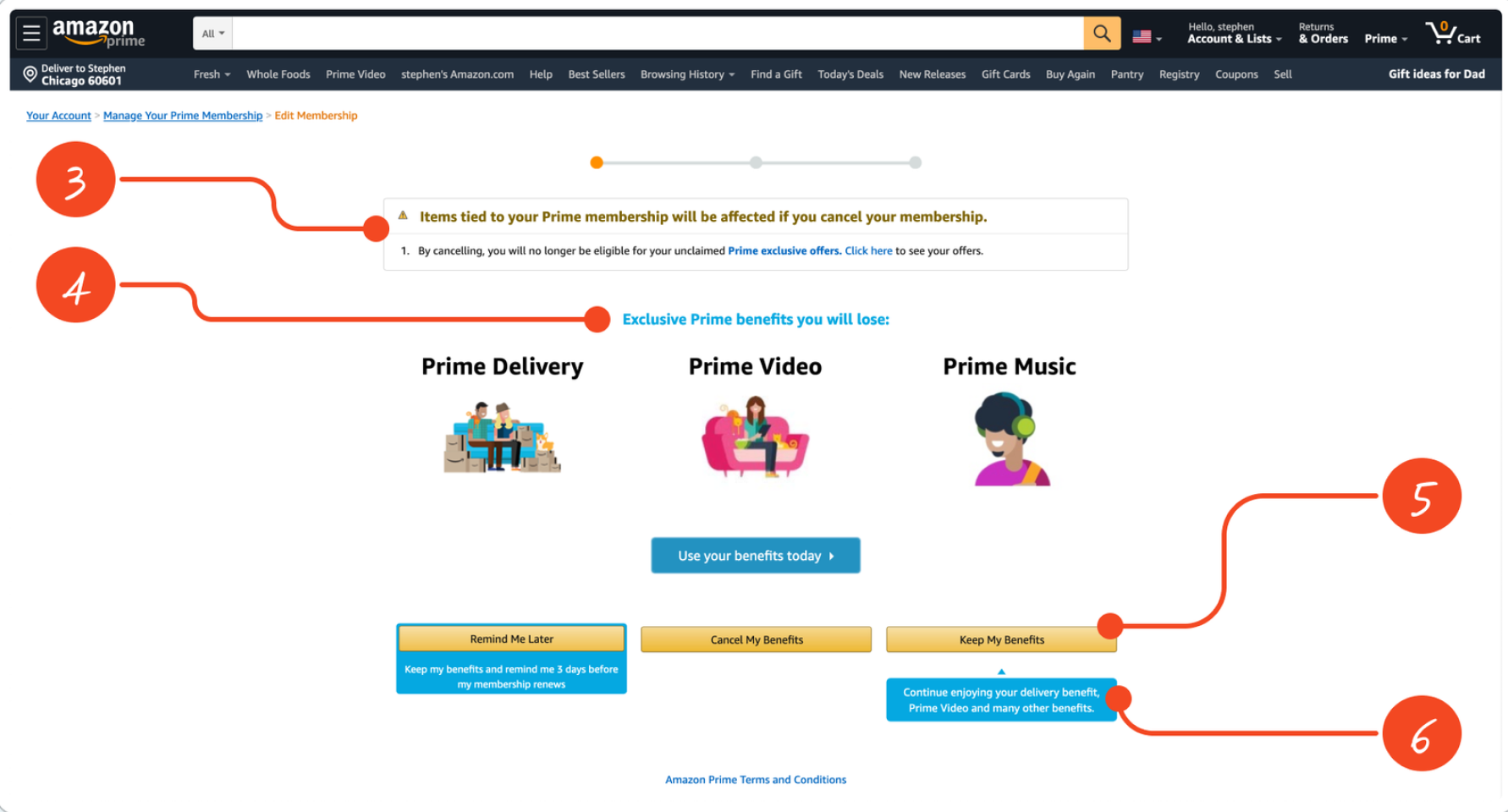
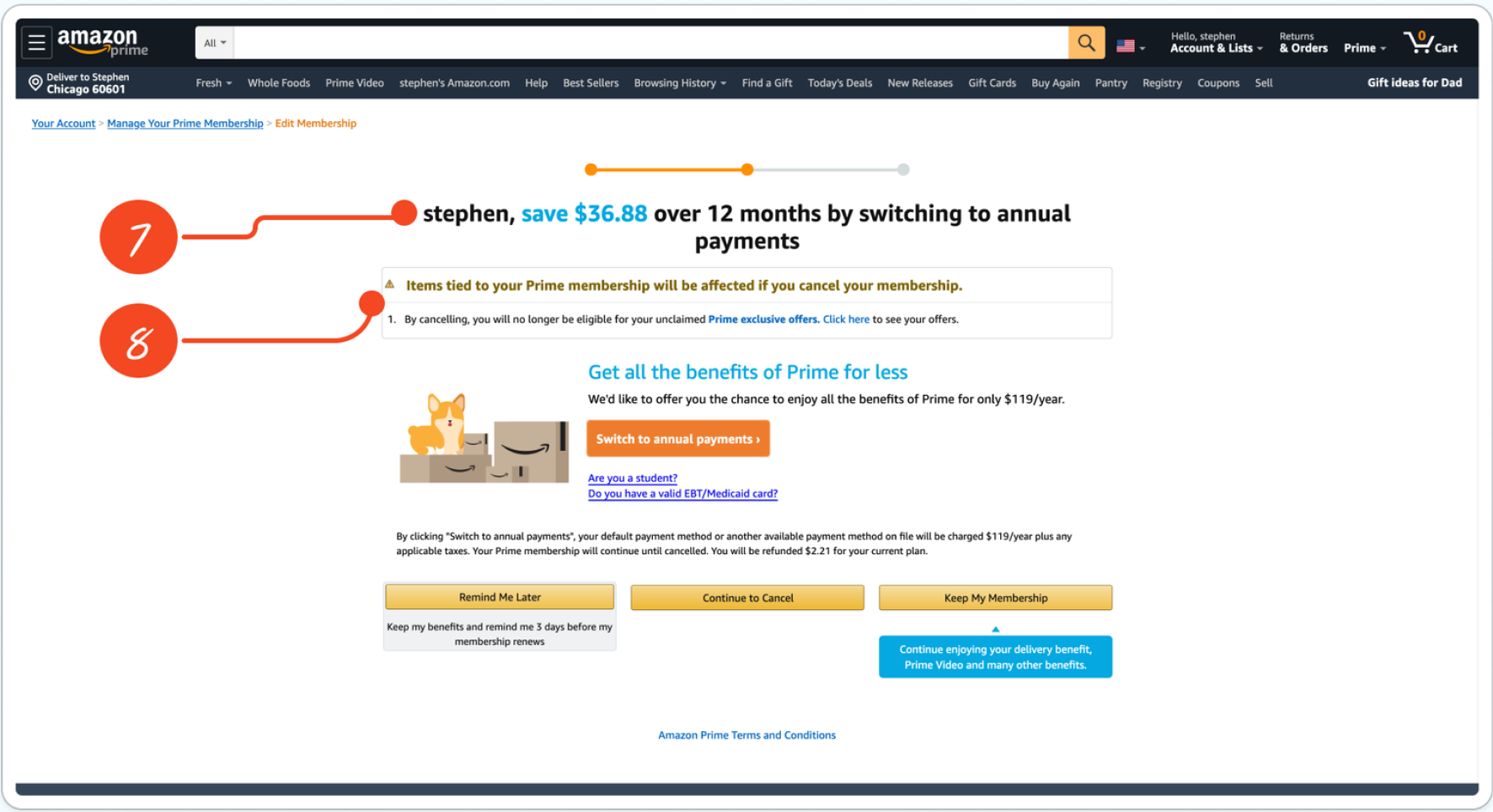
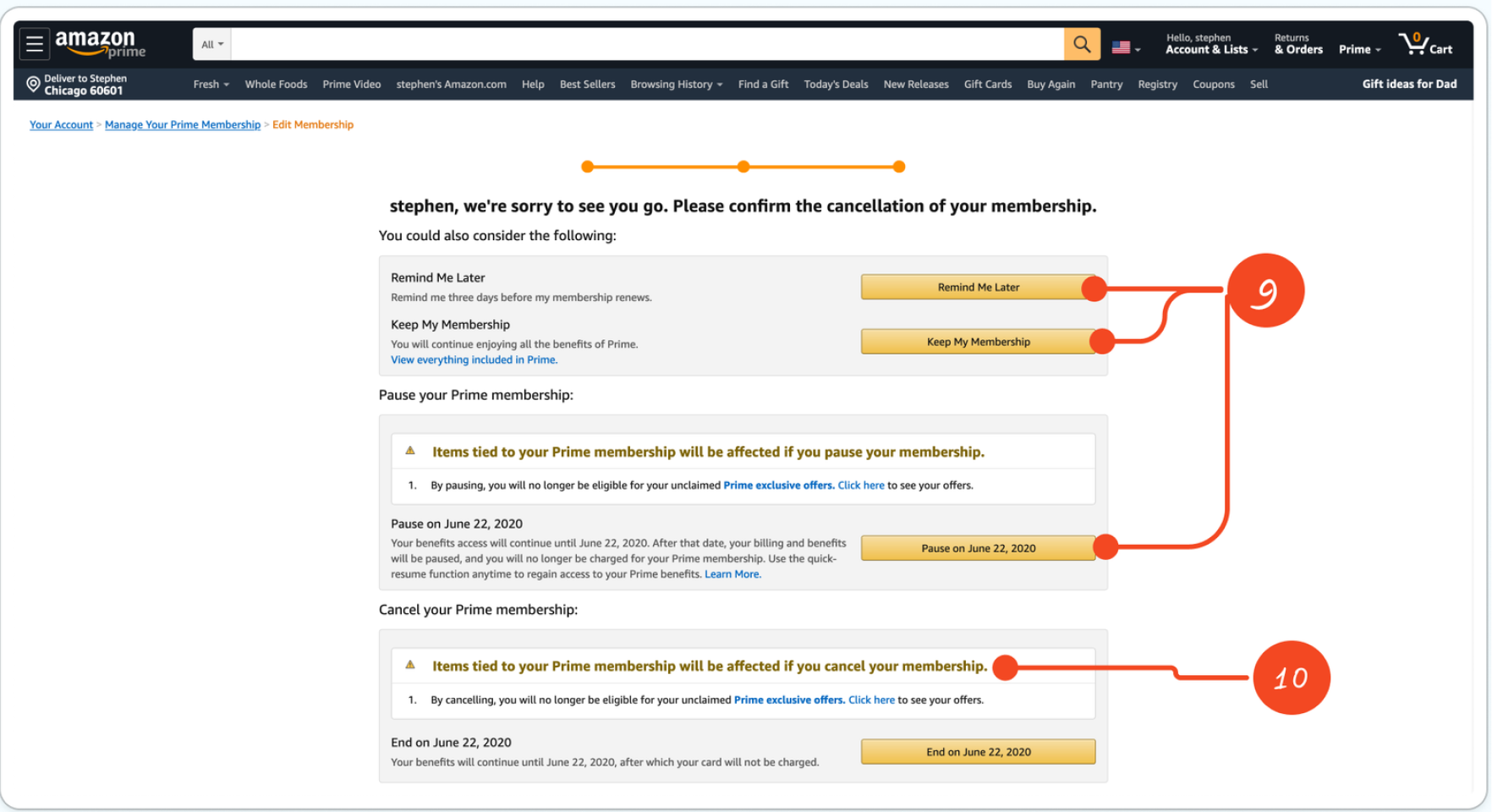
- The Solution: Frictionless Control. Making it as easy to Pause or Cancel a subscription as it is to start one isn't just a courtesy; it is a retention strategy.
The Bottom Line: Paradox of Autonomy
Ironically, the easier it is to leave, the more comfortable users feel about staying. This is the Autonomy-Retention Paradox: when a user feels they have total control over their subscription, anxiety over their monthly bill disappears. When a user knows they are not trapped, the perceived risk of the subscription disappears, turning transparency into your strongest retention tool.
2. Ad-Aware UX as a Fair Exchange
The primary threat to ad-supported tiers isn't the presence of ads, but "Ad-Rage Churn." This occurs when the technical delivery of an ad is so poorly executed i.e, repetitive, jarring, or ill-timed that the user experiences a visceral final straw moment. At this point, the frustration of the experience outweighs the value of the content, and the user abandons the platform entirely.
According to a study, the goal for modern platforms is to eliminate Narrative Friction. When a platform respects the story’s flow, it prevents the emotional escalation that leads to rage quitting.
A. The Triggers of Ad-Rage
When ad delivery feels like an intrusive technical glitch, the Value Exchange collapses:
- The Broken Record Effect: Occurs when a viewer encounters the exact same ad creative such as the same mix of visuals and messaging in every break. This repetition triggers Semantic Satiation, a state where the ad loses its meaning and becomes a pure irritant. It reflects a lack of curation that forces the audience to "pay" with their patience, eventually turning brand interest into active frustration.
- The Interruption Penalty: Occurs when an ad is poorly timed, such as cutting off a character mid-sentence. This abrupt shift triggers Cognitive Disruption, a state where the viewer’s mental focus is shattered. It reflects a failure to protect the audience’s Flow State, creating a sense of resentment toward the brand that lingers long after the content resumes.
B. Solving with Ad-Aware UX
To prevent "Ad-Rage," 2026’s leaders are adopting design patterns that prioritize Transparency and Predictability:
- Visual Progress Bars: A Time-to-Content countdown eliminates the anxiety of the unknown. Nielsen Norman Group (2026) posits that providing visibility of system status creates predictable interactions, which reduces abandonment by allowing users to set clear expectations for completion.
- AI-Driven Scene Detection: Using technology to ensure ads occur only during natural scenes. This maintains the emotional momentum of the viewer and lowers the perceived cost of the interruption.
- Predictability Cues: Markers on the seek bar allow users to anticipate breaks. Transforming a jarring surprise into a planned pause prevents the startle response that often triggers a rage-quit.
The Bottom Line: Respect as a Retention Tool
This approach is grounded in Social Exchange Theory: users stay as long as their attention is treated as a currency of value, not just a commodity to be harvested. By replacing randomness with Ad-Aware UX, you turn a potential friction point into a sustainable, long-term habit.
3. Clear Labels as a Loyalty Tool
As platforms merge Live TV with On-Demand libraries, they face a unique language barrier between Gen Z vs. Boomer and Millennials. In 2026, Labeling is a Retention Strategy. If a user cannot find content within seconds, they experience Interface Fatigue which is a primary driver of subscription churn.
Nielsen Norman’s Group (2025) reports that "Clarity" is a fundamental principle for digital success. Ambiguous labels violate Jakob’s Law, which states that users prefer your platform to work like others they already know. When a platform lacks this immediate clarity, the resulting cognitive load overwhelms the user, making abandonment the most likely outcome.
A. The Vocabulary Friction
Labels can either invite a user in or lock them out based on their digital upbringing. Take the good old TV guide as an example. Boomers and millennials would remember it as the guide in newspapers telling them what to expect from their tv programmes for the day.
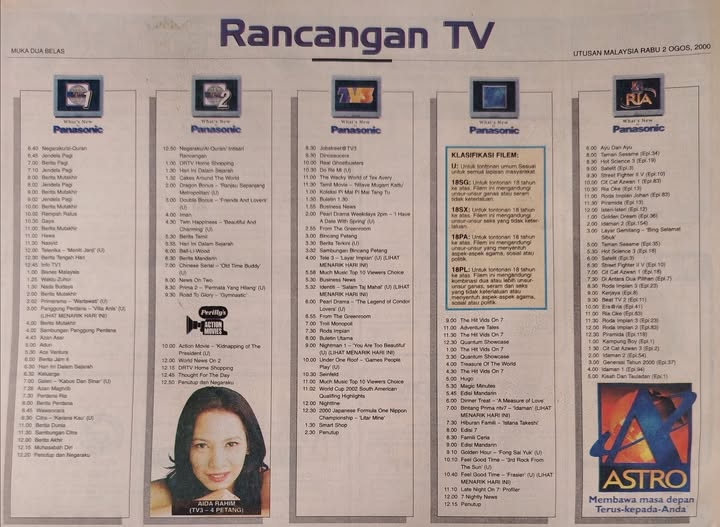
But as this service transforms into a streaming platform, a clear labelling issue was met by most platforms:
- The Gen Z Hurdle: Raised on social streams, younger users often mistake TV Guide for a device user manual, leading to early abandonment.
- The Traditionalist Hurdle: Shortening the label to just "Guide" violates the principle of Information Scent. Older users find it too vague, increasing their Cost of Interaction and making the service feel like too much work.
B. Solving for Contextual Clarity
To bridge this gap, 2026’s leaders are moving toward Action-Oriented Labeling, which uses universal verbs to lower a user's Cognitive Load:
- Universal Terms: Labels like "Channel Schedule" or "What’s On Now" provide immediate clarity for all ages. Codewave (2026) confirms that direct copy reduces time-to-content, which is directly correlated with higher retention.
- Visual Anchors: A pulsing Live icon acts as a universal bridge. Gen Z recognizes this from TikTok or Twitch, while Traditionalists associate it with classic Broadcast signals.

- Hybrid Paths: Retention increases when the path to Live TV feels like channel-flipping for one group, while remaining searchable for the other.
The Bottom Line: The Paradox of Effort
This approach leverages the Principle of Least Effort: users naturally gravitate toward platforms that require the least mental energy. By removing the language barrier, you foster a sense of belonging. When a platform speaks to a 70-year-old and a 20-year-old with equal clarity, it creates a psychological comfort that is hard to break.
The 2026 Retention Checklist
To survive, streaming platforms must master the basics of operational excellence:
- Hiding the Exit door: Is the "Cancel" function just as easy to find as the Sign Up button?
- Contextual Ads Placement: Is technology like predictive AI being used to ensure ad breaks only occur during natural scenes?
- Wait-time Ads Visibility: Does every ad break include a "Time-to-Content" countdown?
- Action-Oriented Labeling: Have vague terms like "TV Guide" been replaced with universal verbs like "What's On Now"?
Retention Is the Product
The era where Netflix and Disney+ were mere disruptors has long since ended. We have moved past the "Content Gold Rush" of the last decade and entered an age of extreme choice.
In 2026, the next killer app is not a single show, it is Low-Friction Living. Users judge a service by how it respects their time and how naturally it integrates into their daily routine. Content might be the reason they sign up, but the quality of experience is the only reason they stay.
The future belongs to the services that just work. In this mature market, the platform that is easiest to understand is the one that is hardest to leave.